
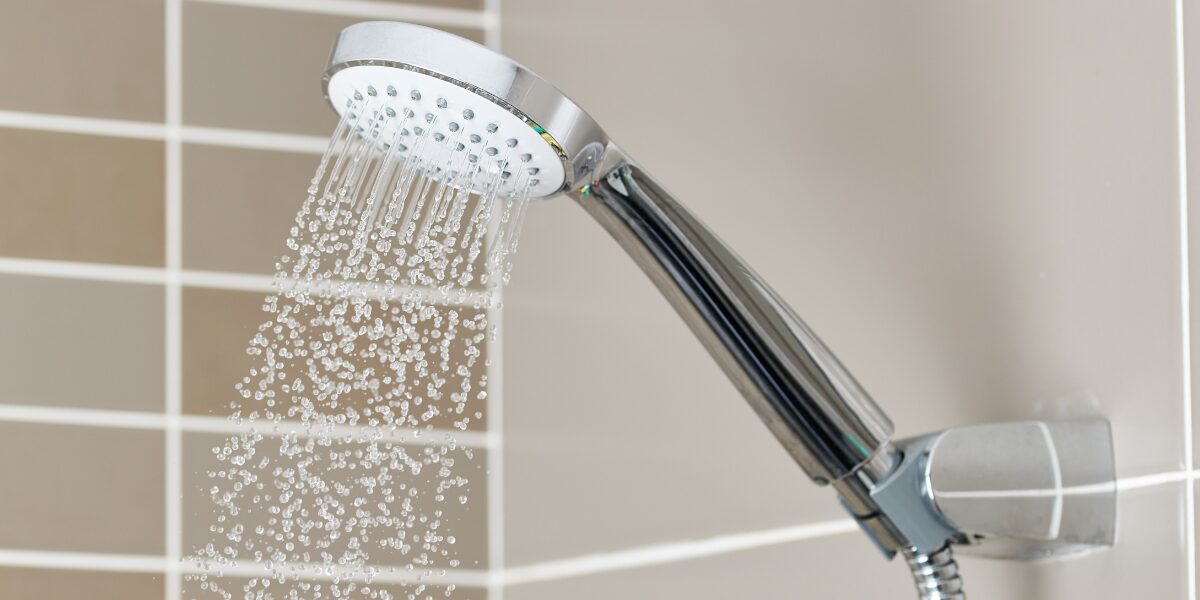
A clean shower head makes a refreshing difference in your daily shower. Mineral deposits, dirt, and grime can quickly build up, reducing water flow, affecting the spray pattern, and leaving you with an underwhelming shower experience. Fortunately, a few simple techniques can help you get rid of this build-up effectively and prevent it from coming back. Here’s how to keep your shower head running smoothly and your shower experience satisfying.
Before getting into solutions, it’s essential to understand why build-up occurs in the first place. Most shower head blockages stem from mineral deposits in hard water, like calcium and magnesium. Over time, these minerals gather, especially in areas with high water hardness, forming a hard crust that restricts water flow. Alongside these minerals, shower heads can also accumulate bacteria and other impurities from the water and surrounding air, leading to grime and even potential clogs.
Table of Contents
Start with a Simple Vinegar Soak
One of the easiest and most effective ways to clear shower head build-up is with white vinegar, which works wonders in breaking down mineral deposits.
- Detach the Shower Head – If possible, unscrew your shower head. This makes the process easier and allows for a thorough cleaning.
- Prepare the Vinegar Solution – Fill a bowl or container with equal parts white vinegar and water. For heavy build-up, you may need undiluted vinegar for extra strength.
- Soak the Shower Head – Place the detached shower head in the vinegar solution, ensuring it is fully submerged. Let it soak for at least 30 minutes. If there’s extensive build-up, soaking it overnight will give better results.
- Scrub and Rinse – After soaking, use a soft-bristle brush or an old toothbrush to scrub any remaining debris from the nozzles and openings. Rinse the shower head thoroughly with water and reattach it.
The vinegar soak method can be highly effective in loosening hardened deposits without using harsh chemicals. For many, this simple approach restores water flow and spray pattern remarkably well.
Use a Plastic Bag Method for Fixed Shower Heads
If you have a shower head that’s difficult to detach, the plastic bag method offers an excellent alternative.
- Fill a Plastic Bag with Vinegar – Pour white vinegar into a sturdy plastic bag, using enough to fully immerse the shower head’s nozzles.
- Secure the Bag Around the Shower Head – Carefully place the bag over the shower head and secure it with a rubber band or twist tie. Make sure the vinegar solution covers all the nozzles.
- Let It Soak – Leave the bag in place for an hour or more, depending on the severity of the build-up.
- Remove, Rinse, and Scrub – After removing the bag, rinse the shower head with water and use a brush to clean away any remaining debris.
This method is especially useful for fixed or rain shower heads and can help eliminate hard water build-up without disassembling any parts.
Clean the Nozzles Individually
Shower heads with rubber or silicone nozzles make it easier to clean build-up with just your fingers or a brush.
- Rub the Nozzles Gently – Rub each nozzle with your fingers to dislodge any mineral deposits. Many modern shower heads are designed with flexible nozzles to make this process easier.
- Use a Toothpick or Needle for Clogs – For any blocked holes, use a toothpick or needle to gently poke through the nozzle to clear out mineral deposits. Be careful to avoid scratching or damaging the material.
This individual cleaning technique can be beneficial for shower heads that haven’t responded to soaking and for people who want to ensure every nozzle is clear.
Baking Soda Paste for Stubborn Deposits
Sometimes, mineral deposits become stubborn and require extra effort. In this case, combining vinegar with baking soda can create an effective paste for tackling tough areas.
- Make the Paste – Mix a few tablespoons of baking soda with enough vinegar to form a thick paste. Apply this mixture to the shower head’s nozzles and let it sit for 10–15 minutes.
- Scrub Thoroughly – After allowing the paste to sit, use a brush to scrub each nozzle. The baking soda provides a gentle abrasive action, helping to dislodge the mineral build-up.
- Rinse Well – Once all areas are scrubbed, rinse the shower head thoroughly with water.
This paste can be an effective approach for areas with persistent mineral deposits that didn’t respond to soaking alone.
Regular Maintenance Tips
Regular maintenance goes a long way in preventing mineral deposits from building up in the first place. Here are some helpful tips:
- Rinse and Wipe After Each Shower – Quickly wiping down the shower head after use prevents water from sitting and drying on the surface, reducing build-up over time.
- Soak Monthly in Vinegar – A monthly soak in vinegar can help maintain a clear shower head and prevent future clogs, especially if you live in a hard-water area.
- Consider a Water Softener – If mineral build-up is a persistent problem, a water softener can reduce the hardness of the water throughout your home. This can prevent mineral deposits from building up on your shower head and other fixtures.
By following these easy steps, you can restore your shower head’s performance, improving your shower experience and maintaining a steady water flow. Cleaning your shower head doesn’t have to be complicated; with vinegar, baking soda, and a bit of scrubbing, you can keep it working effectively. For assistance with persistent hard water issues or to install a new shower head, contact All Plumbing for expert service and solutions tailored to your needs.